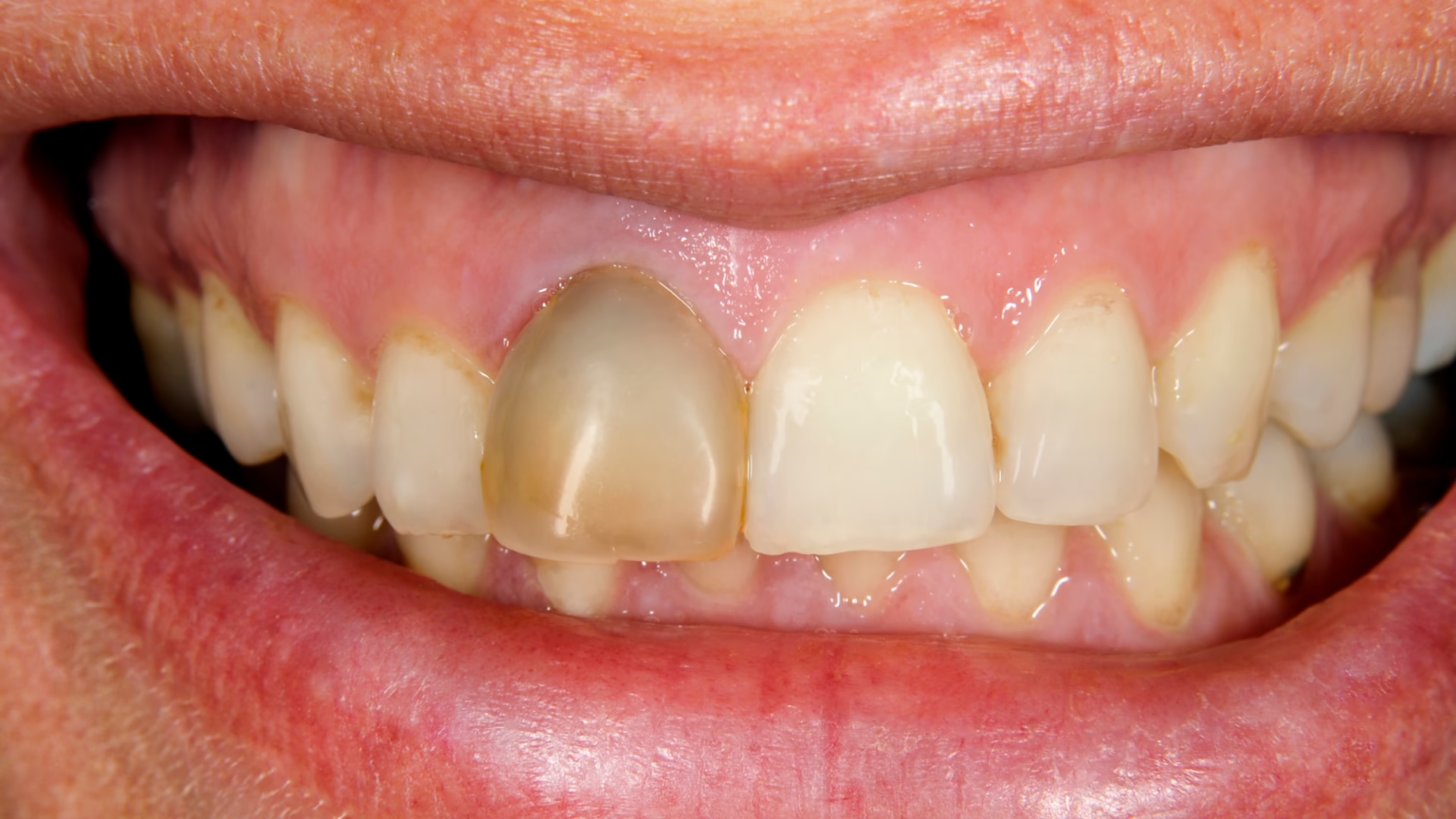
If you’re dealing with tooth pain or swelling, antibiotics are often part of the conversation. Many patients in Scottsdale, AZ are prescribed antibiotics for a tooth infection and start to feel better quickly—only to wonder if that means the problem is truly resolved.
Antibiotics can be helpful, but in most cases, they don’t cure a tooth infection on their own. Knowing when antibiotics are enough—and when they aren’t—can help you avoid repeat pain and more serious dental issues.
Why Antibiotics Can Help at First
Antibiotics work by reducing bacteria and inflammation. That’s why many people experience noticeable relief soon after starting medication.
They often help to:
- Reduce swelling
- Relieve pressure
- Temporarily ease tooth pain
For patients throughout Scottsdale and nearby areas, this initial improvement can feel reassuring. However, antibiotics typically manage the infection around the tooth—not the source of the infection inside it.
Why Antibiotics Usually Don’t Fix the Root of the Problem
Most tooth infections begin deep within the tooth, where bacteria reach the nerve or root. Once that inner tissue becomes infected, antibiotics cannot remove it.
This is a common reason a tooth infection seems to improve and then return after antibiotics. Without dental treatment, the infection can remain and flare up again—sometimes more intensely.
When Tooth Pain Comes Back After Antibiotics
Pain or discomfort that returns after finishing antibiotics usually means the infection hasn’t been fully treated.
Patients often notice:
- Sensitivity that doesn’t go away
- Pain when chewing or biting
- Swelling that improves, then returns
- A dull or persistent ache
Antibiotics may reduce symptoms temporarily, but lasting relief comes from treating the tooth itself.
Antibiotics vs. Dental Treatment for Tooth Infections
Antibiotics and dental treatment serve different purposes.
Antibiotics help control bacteria, while dental treatment addresses the source of the infection. When the nerve inside a tooth is infected, antibiotics alone cannot resolve the issue. This is why dentists in Scottsdale, AZ often recommend treatment even if antibiotics seem to help initially.
What Happens If a Tooth Infection Is Left Untreated
Without proper care, tooth infections tend to worsen over time.
Possible complications include:
- Increasing pain or facial swelling
- Infection spreading to nearby bone or tissue
- Tooth loss
- More involved treatment later
Early evaluation often leads to simpler, more predictable outcomes.
When a Tooth Infection Needs Prompt Attention
Some symptoms should be evaluated as soon as possible, including:
- Severe or worsening tooth pain
- Facial or jaw swelling
- Fever
- Difficulty chewing or opening the mouth
These signs may indicate a more advanced infection and should not be ignored.
What Scottsdale Patients Should Know
Antibiotics can play an important role in managing a tooth infection, but they work best as part of a complete treatment plan. If symptoms return—or never fully go away—it’s usually a sign that additional dental care is needed.
Addressing the problem early often prevents bigger issues and leads to faster, more comfortable results.
Dental Care for a Tooth Infection in Scottsdale, AZ
If you’re experiencing tooth pain, swelling, or signs of infection, a dental evaluation can help determine the cause and the best next step.
At Elevation Dental Group, patients in Scottsdale, AZ, and nearby communities receive clear, honest guidance on tooth infections, including when antibiotics are appropriate and when further treatment is necessary.
📅 Call (480) 515-1000 or schedule an appointment online to treat the infection at its source and protect your long-term oral health.