A cracked tooth doesn’t automatically mean it needs to be removed. In fact, many patients are relieved to learn that a cracked tooth can often be treated and saved—especially when it’s caught early.
For patients in Scottsdale, AZ, the key is understanding the type of crack and how far it extends. The depth of the crack and whether the inner portion of the tooth is affected determine whether your dentist can protect the tooth or if extraction is the healthiest option.
What a Cracked Tooth Really Looks Like
Not all cracked teeth are obvious. Some develop gradually over time, while others happen suddenly from biting down on something hard or unexpected.
Common signs of a cracked tooth include:
- Pain when chewing or biting
- Sensitivity to hot or cold
- Discomfort that comes and goes
- A tooth that feels “off,” even if you can’t see visible damage
Because a cracked tooth won’t heal on its own, even mild or inconsistent symptoms are worth having evaluated by a dentist in Scottsdale.
When a Cracked Tooth Can Be Treated and Saved
One of the most common questions patients ask is whether a cracked tooth can be saved. In many cases, the answer is yes.
Depending on the severity and location of the crack, treatment may include:
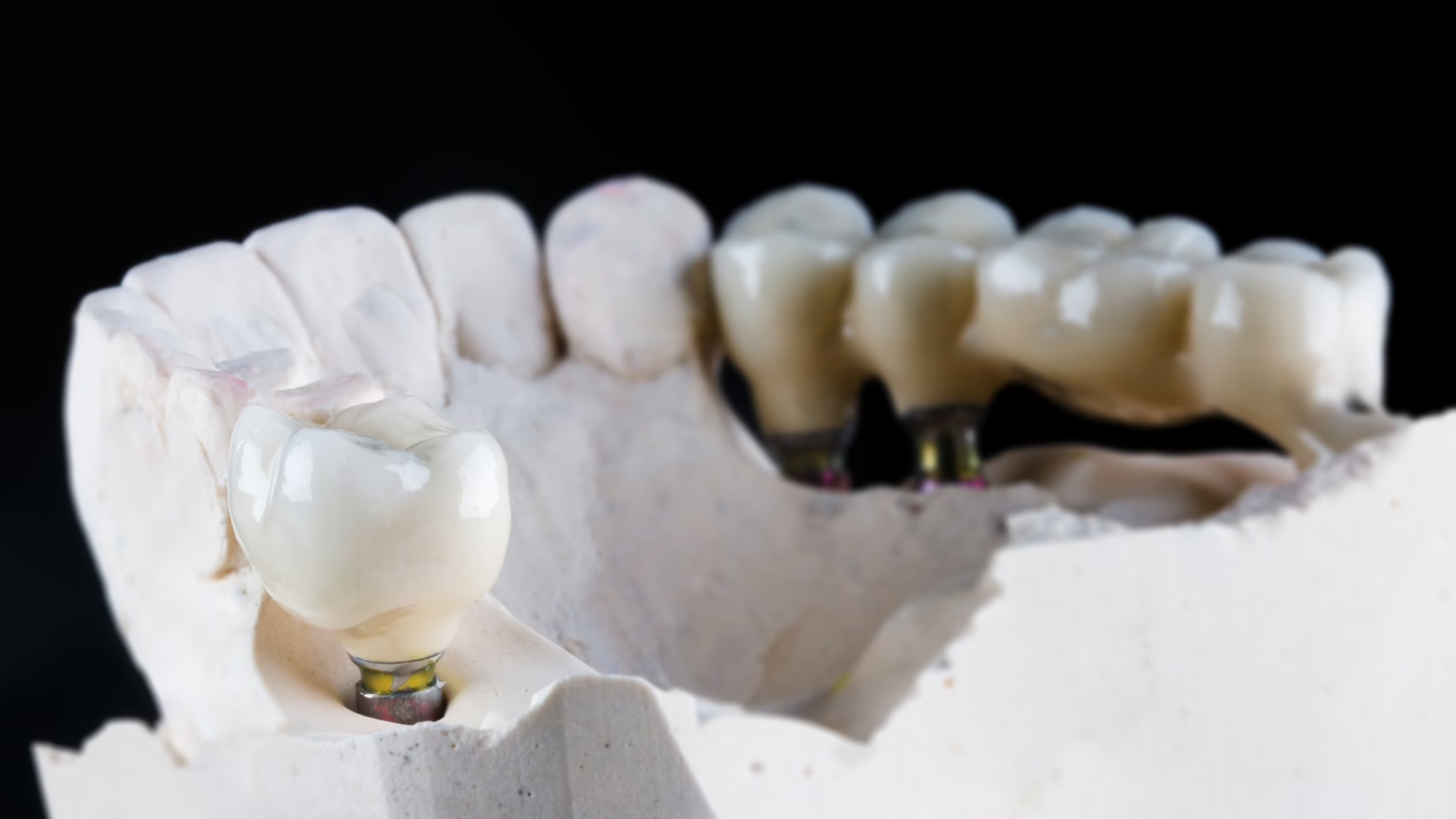
- A dental crown to stabilize and protect the tooth
- Dental bonding for minor surface cracks
- A root canal if the crack has reached the nerve
These treatments are designed to preserve your natural tooth and prevent the crack from spreading further—often helping patients avoid extraction altogether.
When Tooth Extraction Becomes the Best Option
In some situations, removing a cracked tooth is the safest and most predictable choice. Extraction may be recommended when:
- The crack extends below the gum line
- The tooth cannot properly support a crown
- Infection has developed and cannot be controlled
- The tooth has split into separate sections
When patients ask how bad a cracked tooth has to be before it’s pulled, the answer depends on long-term stability and overall oral health. At Elevation Dental Group, the goal is never to remove a tooth unnecessarily—it’s to prevent ongoing pain, infection, and future complications.
Why Waiting Can Make a Cracked Tooth Worse
A cracked tooth will not improve with time. In fact, delaying treatment often allows the crack to deepen and bacteria to enter the tooth.
Putting off care can lead to:
- Increasing pain or sensitivity
- Infection inside the tooth
- Fewer options to save the tooth
- More complex and costly treatment later
Early evaluation almost always results in better outcomes and more conservative treatment options.
Can a Cracked Tooth Cause an Infection?
Yes. Even a small crack can allow bacteria to reach the inner layers of the tooth, potentially leading to infection.
If you’re experiencing cracked tooth pain when chewing or ongoing sensitivity, it’s important to have the tooth evaluated—even if the discomfort feels manageable at first.
When to See an Emergency Dentist for a Cracked Tooth
Some cracked teeth need prompt attention. Contact a dentist right away if you notice:
- Sharp pain when biting
- Swelling around the tooth or gums
- Pain that worsens over time
- A visible fracture or missing piece of tooth
These symptoms are common reasons patients seek emergency dental care in Scottsdale, especially when pain appears suddenly.
What Scottsdale Patients Should Know
Cracked teeth are a common reason for urgent dental visits in Scottsdale and nearby communities. The good news is that many cracked teeth can be treated successfully without extraction when addressed early.
Prompt care often means:
- More treatment options
- Better long-term results
- Less disruption to your daily routine
Cracked Tooth Treatment in Scottsdale, AZ
If you think you may have a cracked tooth—or you’re unsure whether it can be saved—a professional evaluation can provide clear answers and peace of mind.
At Elevation Dental Group, patients in Scottsdale, AZ, receive honest, thoughtful guidance about cracked teeth, including when a tooth can be preserved and when extraction is the best choice for long-term health.
Call (480) 515-1000 or schedule an appointment online to have your tooth evaluated and take the next step with confidence.