Scottsdale’s Winter Can Change How Your Smile Feels
Even though Scottsdale winters are mild, the cooler mornings and dry desert air can make your teeth feel more sensitive — especially if you’re planning cosmetic dentistry treatments like veneers or professional teeth whitening.
Many Scottsdale patients notice more sensitivity in December and January and wonder whether cold air, holiday whitening, or veneers behave differently in winter. Understanding these seasonal changes helps you prepare for the best cosmetic results.
Why Cold Air Makes Teeth More Sensitive
Cold air causes enamel to contract, which briefly exposes the tiny tubes inside your teeth. This creates those quick, sharp “zings” of sensitivity — especially during:
- Morning workouts
- Dog walks
- Outdoor dining
- Commuting in cooler temps
Scottsdale’s dry winter climate also reduces natural moisture, making sensitivity more noticeable.
Whitening in Winter: What Scottsdale Patients Should Expect
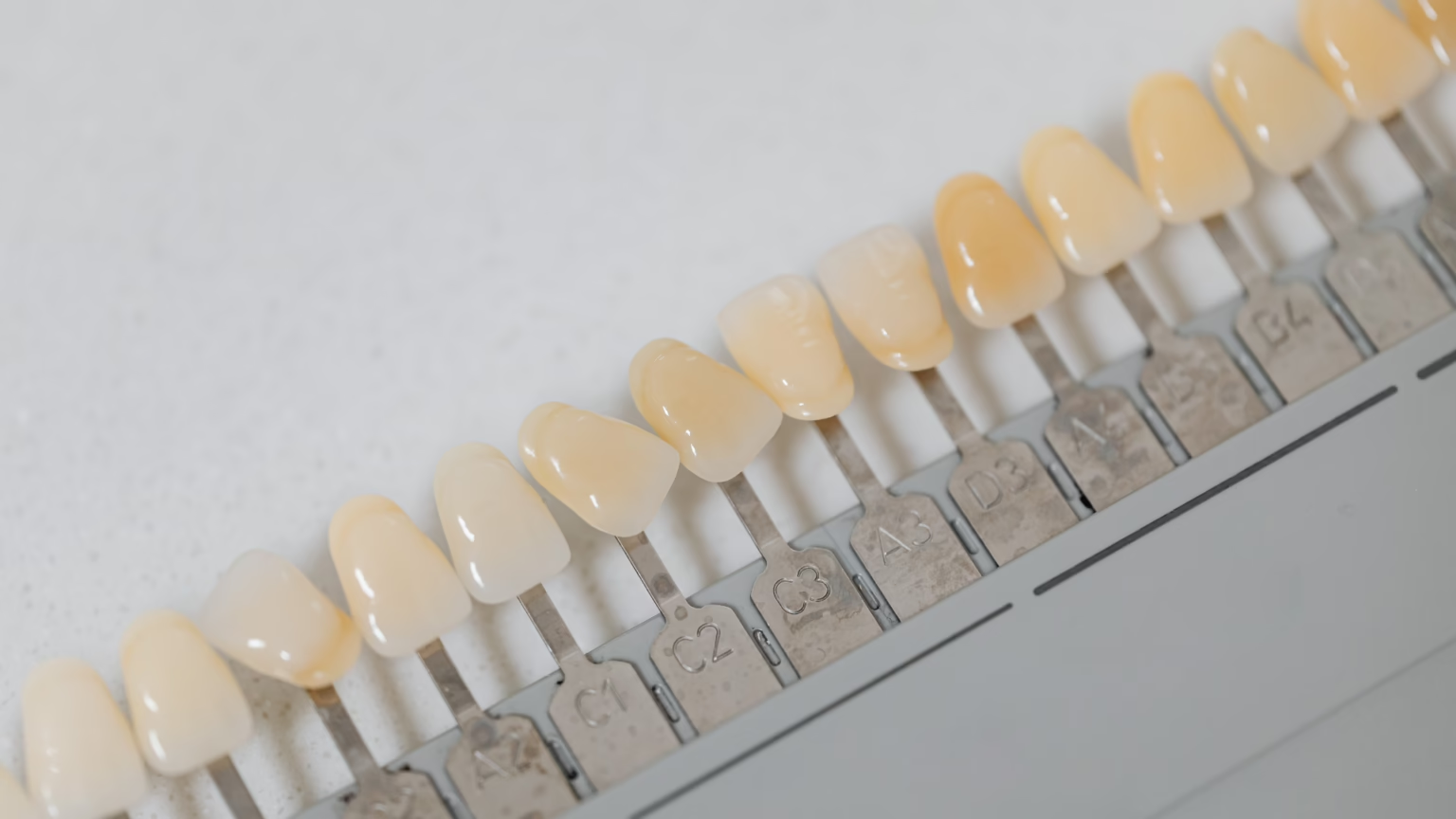
Professional whitening is extremely popular before holidays and New Year events — but whitening temporarily opens the pores of your enamel. This makes teeth a little more reactive to cold air for a day or two.
Expect:
- Mild, temporary sensitivity
- Best results when avoiding cold foods or drinks for 24 hours
- A need for gentle, desensitizing products
Avoid right after whitening:
- Ice water
- Cold morning exposure
- Coffee, wine, berries (staining foods)
Whitening remains safe, predictable, and effective, even in winter — sensitivity is normal and short-lived.
Veneers and Cold Weather: What’s Normal?
Porcelain veneers do not react to temperature changes, but the tooth underneath can. You might feel slight sensations during cold mornings while your veneers settle.
Veneers are especially helpful if:
- You already have thin enamel
- Whitening results don’t last
- You want a long-term cosmetic upgrade
- You struggle with stains from coffee, tea, or wine
Once bonded, veneers often reduce sensitivity, thanks to their porcelain insulation.
Scottsdale’s Dry Climate Matters for Cosmetic Dentistry
Desert winter air is uniquely dry, and this affects your smile more than you might expect.
Dry air can lead to:
- Dry mouth
- Increased tooth sensitivity
- More noticeable reaction to cold air
- Faster stain buildup if hydration is low
Pro tip for cosmetic patients:
Hydration and humidity improve comfort and help maintain results.
How to Prep for Cosmetic Dentistry in Cooler Months
A little preparation can make a big difference in comfort and results:
- Use sensitivity toothpaste for 1–2 weeks
- Skip over-the-counter whitening strips beforehand
- Keep your mouth warm during cold morning routines
- Limit acidic drinks
- Drink more water than usual
Most Scottsdale patients planning photos or events should whiten 3–7 days before.
Grinding, Clenching & Winter Sensitivity
Holiday stress + colder air can increase grinding, which amplifies sensitivity from whitening or veneers. If you wake up sore or notice jaw tension, a custom nightguard may help protect your new smile.
When to See a Dentist Before Cosmetic Dentistry Treatment
A pre-cosmetic exam is a good idea if you’re experiencing:
- Sharp or lingering cold sensitivity
- Gum soreness
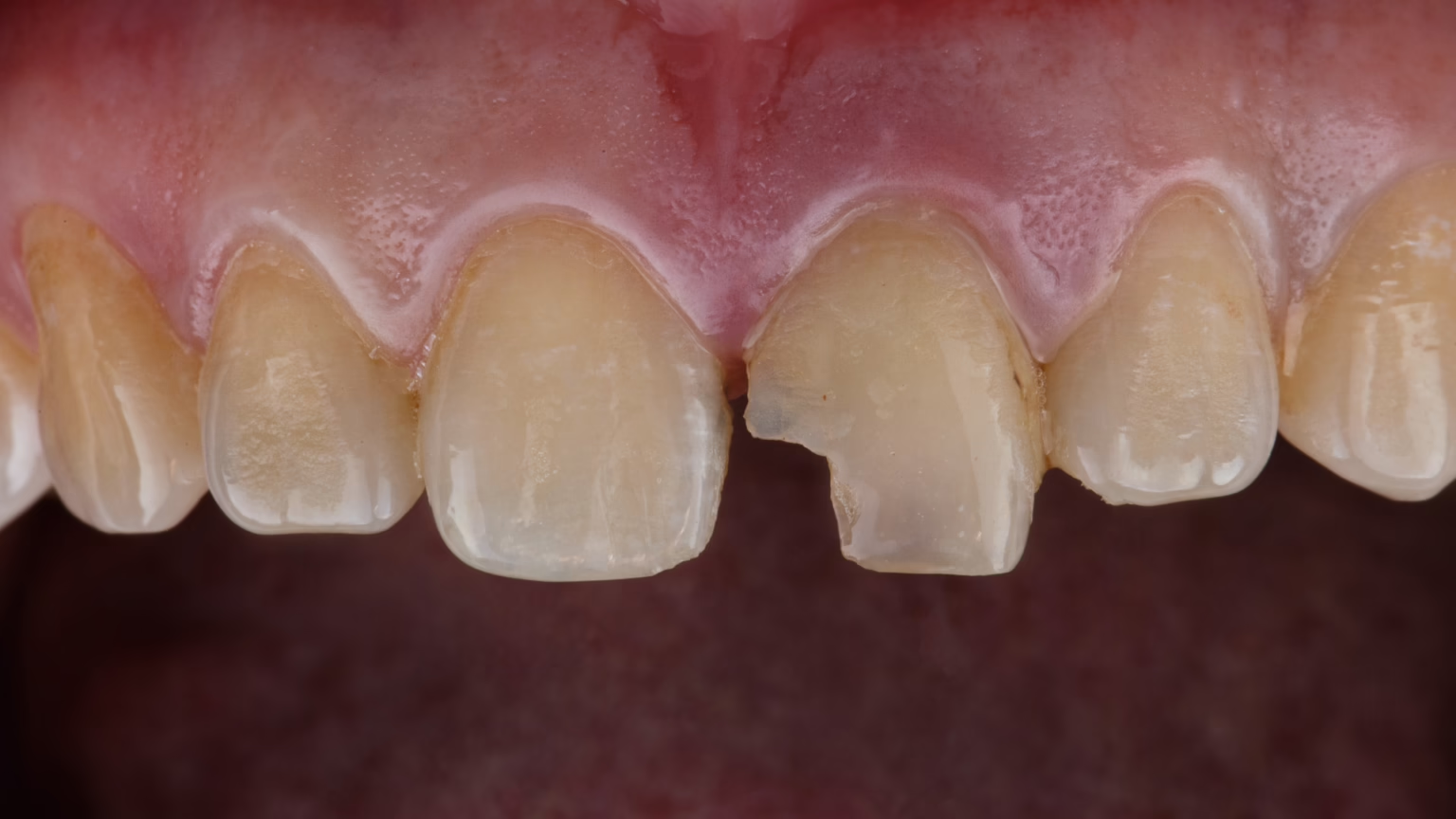
- Cracked or fractured teeth
- Sensitivity that worsened after whitening
Elevation Dental Group can determine whether winter weather, enamel thinning, grinding, or an underlying concern is causing your symptoms.
Start the New Year With a Beautiful, Comfortable Smile
Whether you’re planning whitening, veneers, or a complete smile makeover, Scottsdale is the perfect place to start fresh. With the right preparation and guidance, your cosmetic treatment will look great — in any season.
👉 Call Elevation Dental Group at (480) 515-1000 or schedule online today. A confident, glowing smile is the perfect way to begin the new year.